Vinegar Syndrome
The silent killer of microfilm and microfiche archives
What is Vinegar Syndrome?
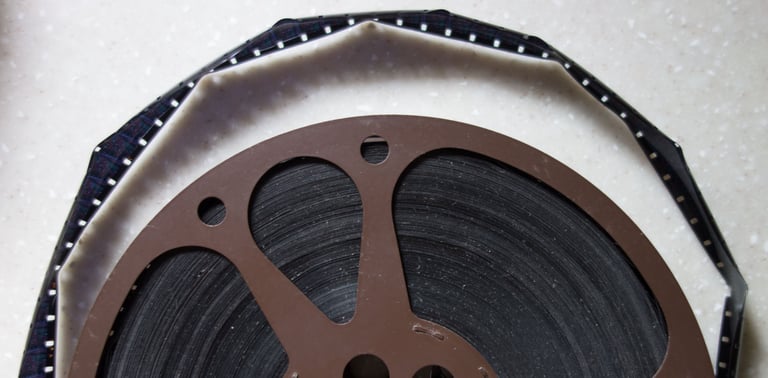
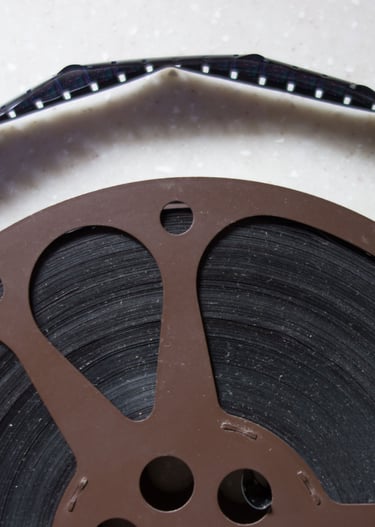
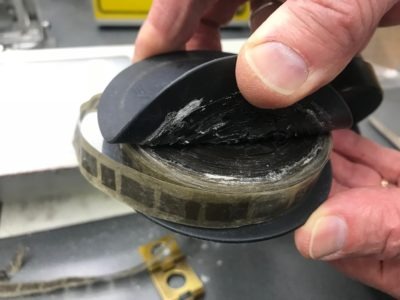
Vinegar syndrome, also known as acetic acid syndrome, is a condition created by the deacetylation of cellulose acetates (usually cellulose diacetate) and cellulose triacetate. This deacetylation produces acetic acid, giving off a vinegar odor that gives the condition its name; as well, objects undergoing vinegar syndrome often shrink, embrittle, and form crystals on their surface due to the migration of plasticizers. Vinegar syndrome widely affects cellulose acetate film as used in photography. It has also been observed to affect older magnetic tape, where cellulose acetate is used as a base, as well as polarizers used in liquid-crystal display units and everyday plastics such as containers and tableware. High temperatures and fluctuations in relative humidity have been observed to accelerate the process. The process is autocatalytic, and the damage done by vinegar syndrome is irreversible.


What does that mean for me?
It means that your old microfilm. microfiche, and/or aperture cards, previously believed to be an ideal medium for the long-term storage of records, may instead be extremely vulnerable, especially if not stored in the right climate. The condition can even spread to neighboring rolls of film or sheets of microfiche stored together. Once the damage begins, it is irreversible, and your records will soon be irretrievable.
What to look for:
Look for the following signs in your microfilm or fiche:
Vinegar smell: A pungent, vinegar-like odor is the first and most common indicator.
Brittleness: The film may feel and become brittle, making it prone to shattering.
Shrinkage: The film base shrinks and may warp or buckle.
Bubbles: You may see small bubbles or crystalline deposits on the film's surface.
Channeling: The emulsion (the image layer) separates from the brittle plastic base, creating a channel-like pattern.
The strongest defense against vinegar syndrome is to store your records in the ideal climate:
Use a well-ventilated space
Use ventilated boxes or cans
Keep the films away from any source of fire or heat
Maintain a temperature below 21°C or 69°F
Maintain relative humidity between 20% and 50%
What should I do if I find affected film?
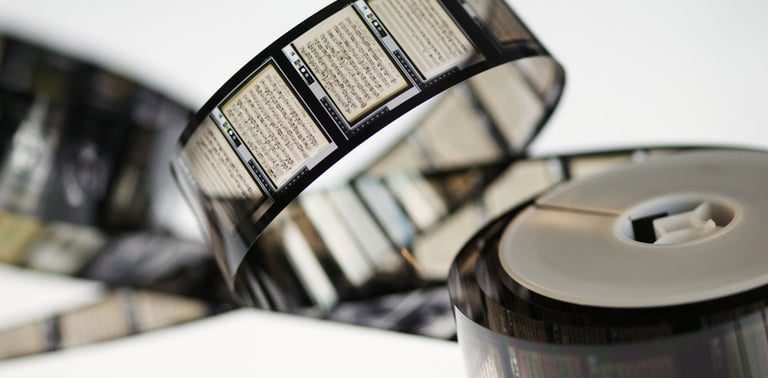
ISOLATE: Identify and quarantine your affected film as quickly as possible to prevent further spread.
ANALYZE: Determine if your film can be salvaged, and arrange to have it digitized as quickly as possible.
DIGITIZE: You can digitize your own microfilm with the use of a digital film reader, or solicit the help of a professional record management service, like Image Integrator, to digitize for you.
Assess your need to determine if document management services are ideal for you
By figuring out how many Images are on a full roll of film, we can estimate how many images of film you have to digitize by approximating the fullness of each roll.
Microfiche can be estimated by determining how many images are on each fiche, and measuring how many fiche are in an inch. When filed together with no envelopes or separators, one inch of microfiche is estimated to be 100-120 fiche.
LGRMIF Grant Funding for Microfilm Digitization
Did you know that there’s a local government records management grant that you can win in order to digitally archive your records, which includes the digitization of microfilm/microfiche records? Image Integrator has made it a top priority to assist school districts, BOCES, and other local governments in their application process, providing detailed price quotes and an even more detailed scope of work, and we can even set you up with trusted, experienced grant writers.
Image Integrator can help you assess your digitization needs, taking inventory of your most vital, long-term, and permanent retention document types.
Contact Us:
315-474-9788
adminsupport@imageintegrator.com